

Intelligent Decoration Lidar Laser Sensor
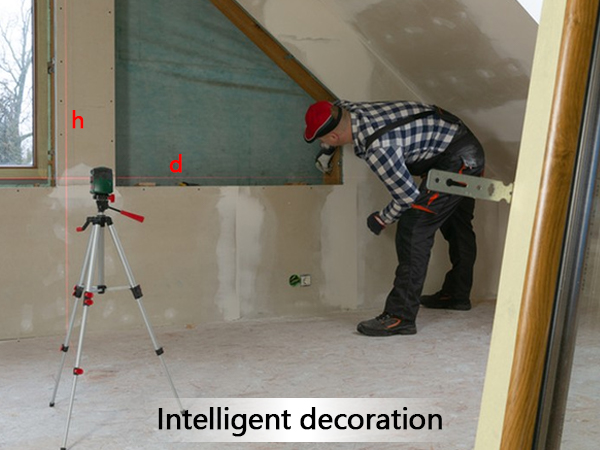
The integration of lidar laser sensor into intelligent decoration represents a significant leap in the construction, interior design, and smart home industries. By combining high-precision 3D spatial data with automation technologies, LiDAR sensor enables more accurate, efficient, and personalized decorative processes.
Here’s a detailed overview of how Seakeda LiDAR is transforming intelligent decoration:
Key Applications in Intelligent Decoration
A. High-Precision 3D Scanning
Digital Twin Creation: These lidar sensor datas are converted into digital twins (BIM models), allowing designers to visualize renovations before any physical work begins. This reduces costly rework and material waste.
B. Automated Design
Clash Detection: AI algorithms analyze the 3D model to detect conflicts between structural elements, MEP (Mechanical, Electrical, Plumbing) systems, and decorative fixtures before installation.
C. Smart Home Integration
Occupancy Gesture Control: Miniaturized LiDAR sensors integrated into smart home devices can detect human presence, movement patterns, and gestures without cameras, enhancing privacy while enabling intuitive control of lighting, climate, and entertainment systems.
D. Robotic Decoration
Precision Cutting Installation: CNC machines guided by arduino lidar data cut custom cabinetry, tiles, or glass panels to exact dimensions, minimizing waste.
E. Quality Assurance
Defect Detection: Lidar laser sensor can identify subtle imperfections in surface flatness, alignment, or structural integrity that are invisible to the naked eye.
Feature of Cheap Lidar
Accuracy: ±1–5cm within 1500m
Speed: 1-100HZ/1000HZ/1000HZ
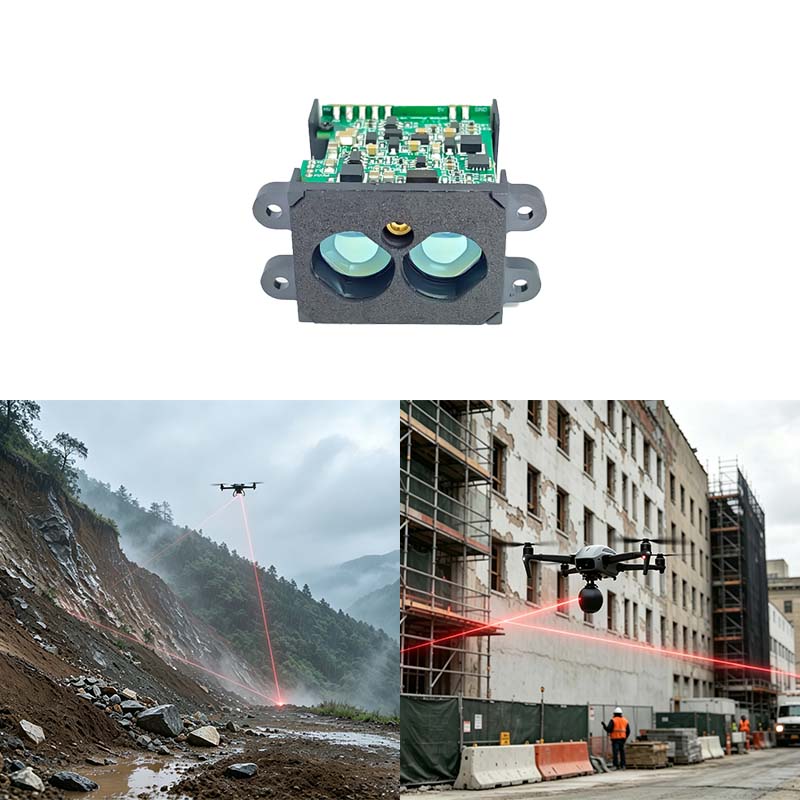
Safety: Can be used remotely or via drones/robots
Integration: Direct export to BIM, AR/VR, and AI platforms
Future Trends
1. Consumer-Grade LiDAR: iPhones and iPads now include cheap lidar scanners, enabling homeowners and DIY decorators to perform basic 3D scans for furniture fitting and room planning.
2. Real-Time Adaptive Interiors: Rooms that physically adapt (e.g., movable walls, adjustable furniture) based on real-time LiDAR sensing of occupancy and activity.
3. Sustainable Decoration: Optimizing material usage through precise modeling reduces construction waste, supporting green building certifications.
LiDAR laser sensors are transitioning from niche industrial tools to foundational components of intelligent decoration. By providing unprecedented spatial accuracy and enabling automation, arduino lidar sensors streamline design, reduce costs, enhance safety, and empower truly personalized smart living environments. As the cheap lidar laser sensor technology becomes more affordable and integrated with AI, its adoption will accelerate across residential, commercial, and hospitality sectors.
Post time: Aug-05-2026


